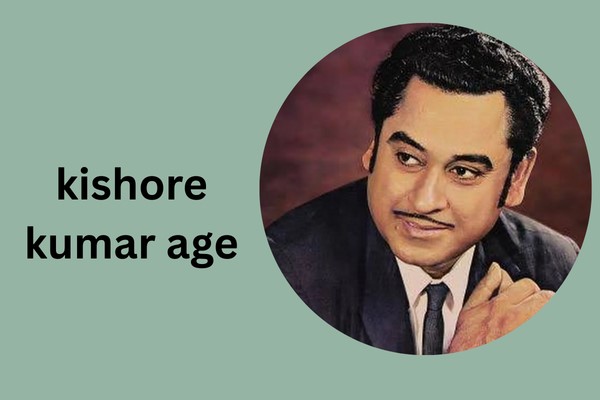
kishore kumar age
Kishore Kumar is a name that resonates with millions of music lovers across generations. Known as one of the most versatile playback singers and actors in Indian cinema, Kishore Kumar left an indelible mark on the world of music and films. When people search for “Kishore Kumar age,” they often want to know more than just the number—they want to understand the timeline of his life, the eras he lived through, and how his age related to his incredible body of work. This article delves deeply into Kishore Kumar’s age, the significant events of his life, his career milestones, and the legacy he left behind.
Kishore Kumar’s life was a remarkable journey filled with music, films, creativity, and a unique personality that made him unforgettable. Understanding his age and the timeline of his life offers insights into how he became a cultural icon whose music continues to influence artists and audiences worldwide.
Table of Contents
Kishore Kumar Wiki Bio
| Field | Details |
|---|---|
| Full Name | Abhas Kumar Ganguly |
| Stage Name | Kishore Kumar |
| Date of Birth | 4 August 1929 |
| Place of Birth | Khandwa, Madhya Pradesh, India |
| Date of Death | 13 October 1987 |
| Age at Death | 58 years |
| Nationality | Indian |
| Profession | Playback Singer, Actor, Composer, Lyricist, Producer, Director, Screenwriter |
| Genres | Bollywood, Pop, Romantic, Classical, Comedy |
| Languages Sung In | Hindi, Bengali, Marathi, Kannada, Gujarati, Bhojpuri, Telugu, Malayalam, Odia, Assamese |
| Years Active | 1946–1987 |
| Notable Songs | “Mere Sapno Ki Rani,” “Yeh Shaam Mastani,” “O Mere Dil Ke Chain,” “Chala Jata Hoon,” “Aanewala Pal” |
| Notable Films (as Actor) | Shikari, Andolan, Chalti Ka Naam Gaadi, Padosan, Half Ticket |
| Awards & Honors | Filmfare Awards (4 wins), Lifetime Achievement Awards, National Recognition in Music |
| Family | Brothers: Ashok Kumar, Anoop Kumar; Children: Amit Kumar |
| Spouse(s) | Four marriages: Ruma Guha Thakurta, Madhubala, Yogeeta Bali, Leena Chandavarkar |
| Signature Style | Unique voice modulation, yodeling, emotional depth, versatility across genres |
| Legacy | Considered one of India’s greatest playback singers; songs remain timeless classics; influence on modern music |
Kishore Kumar’s Birth and Early Life (1929–1945)
Kishore Kumar was born on 4 August 1929 in Khandwa, a small town in the central Indian state of Madhya Pradesh. His birth name was Abhas Kumar Ganguly, and he was born into a Bengali family known for its involvement in the arts. Kishore’s father, K.L. Ganguly, was a lawyer, and his elder brother, Ashok Kumar, later became a famous Bollywood actor. Growing up in a family with exposure to music and cinema provided Kishore with a foundation that would shape his extraordinary career.
From a young age, Kishore exhibited a remarkable interest in music and singing, although he did not receive formal training. His natural ability to pick up melodies, his voice modulation, and his expressive style were noticeable even in his early years. He was drawn to acting as well, inspired by his elder brother’s work in the film industry. These early experiences would play a crucial role in shaping Kishore’s multi-faceted career in both acting and music.
During this period, Kishore’s age ranged from infancy to his mid-teens. By the time he reached his mid-teens, he was already showing promise as a singer and performer, experimenting with different styles and learning from the artists around him. This formative period laid the groundwork for his later successes in Bollywood and playback singing.
Kishore Kumar’s Entry into Cinema (1946–1955)
Kishore Kumar entered the film industry in the mid-1940s, starting with small roles and working as a chorus singer at Bombay Talkies, a prominent studio at the time. By 1946, at the age of 17, he made his acting debut in the film Shikari, where he also displayed his singing talent. This was the beginning of a career that would span over four decades.
Kishore’s early years in cinema were a mix of learning, experimentation, and slowly gaining recognition. His age during this period—from late teens to mid-twenties—coincided with his exploration of his musical range and acting skills. Unlike many artists who focus exclusively on one craft, Kishore seamlessly combined singing, acting, and even composing, which set him apart from his contemporaries.
During the late 1940s and early 1950s, Kishore Kumar recorded his first songs that became moderately popular. His unique ability to convey emotion through his voice quickly caught the attention of composers and filmmakers. Even in his twenties, Kishore’s distinct yodeling style and energetic performances were already setting him apart from other singers.
Rise to Stardom (1956–1969)
By the mid-1950s, Kishore Kumar’s career had gained momentum. His age during this period ranged from his mid-twenties to early forties, which is often considered the prime period of creative and artistic output for performers. Kishore became a well-known actor and a sought-after playback singer, starring in films such as Andolan, Chalti Ka Naam Gaadi, and Padosan.
Acting and Singing: A Dual Talent
Kishore Kumar was not just a playback singer but also a prominent actor in Bollywood. His ability to act and sing in the same film made him exceptionally versatile. He often sang for his own roles, which added authenticity and emotional depth to his performances. His age during these years—late twenties to mid-thirties—reflected a period of experimentation, growth, and increasing mastery over his craft.
The Musical Breakthrough
The late 1950s and 1960s saw Kishore Kumar solidify his place as a playback singer. He collaborated with legendary composers like S.D. Burman and Shankar-Jaikishan, delivering songs that became instant hits. Classics such as “Yeh Shaam Mastani” and “Mere Sapno Ki Rani” were emblematic of his style. His age at the time, in his late twenties and thirties, allowed him to bring youthful energy, passion, and playfulness to his songs, which resonated deeply with audiences.
Kishore’s versatility was evident in his ability to perform romantic ballads, energetic dance numbers, devotional songs, and even comedic pieces. This period of his life established him as a household name, with his age marking the phase where he transitioned from a promising young artist to a celebrated icon.
Peak Years and Iconic Work (1970–1980)
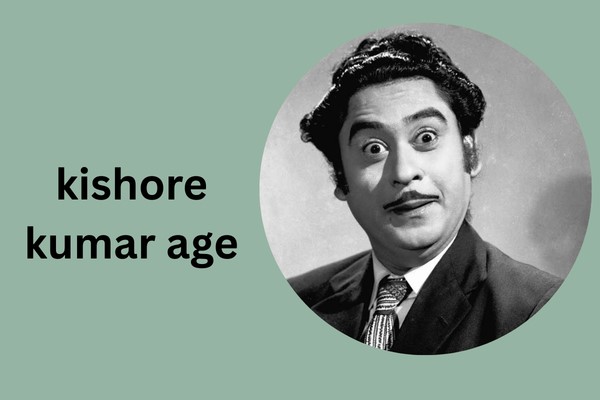
The 1970s were arguably the peak of Kishore Kumar’s career. At this time, he was in his forties, an age that combined maturity, experience, and continued creative experimentation. His voice became the defining sound of Bollywood music, and he was the preferred singer for leading actors of the era, including Rajesh Khanna, Amitabh Bachchan, and Dharmendra.
Collaboration with R.D. Burman
One of the most significant aspects of Kishore Kumar’s peak years was his collaboration with composer R.D. Burman. Together, they produced songs that were groundbreaking in style, rhythm, and composition. Kishore’s age—mid-forties during this collaboration—reflected a period of peak vocal control, emotional depth, and artistic maturity. Songs like “O Mere Dil Ke Chain” and “Chala Jata Hoon” became evergreen classics.
Versatility Across Genres
During this time, Kishore Kumar’s age also meant he was experienced enough to tackle a wide range of musical styles. He effortlessly moved from soulful romantic numbers to peppy, upbeat tracks, and even experimental songs that incorporated Western influences. His voice adapted seamlessly to the mood, actor, and situation, showcasing not only talent but also wisdom gained from years in the industry.
Later Years: Challenges and Continuation (1981–1987)
By the early 1980s, Kishore Kumar was in his early fifties. Despite being older, he continued to dominate the playback singing industry. His age did not diminish his vocal capabilities; instead, it added depth and emotional resonance to his songs.
Health Issues
During his later years, Kishore faced health challenges, including a heart attack in the early 1980s. Despite these setbacks, he continued to perform and record music. His dedication to his craft during this period, even as he approached his mid-fifties, reflected a relentless passion for music and art.
Continued Popularity
Even in his final years, Kishore Kumar’s age did not affect his popularity. New generations of listeners discovered his music, and he remained the preferred voice for many leading Bollywood actors. His songs from this period, including hits like “Aanewala Pal” and “Pag Ghungroo Bandh,” are still celebrated today.
Final Years and Passing
Kishore Kumar passed away on 13 October 1987 at the age of 58. Though his life was relatively short, it was filled with extraordinary accomplishments that left a lasting legacy.
Legacy at Age 58
By the time of his passing at 58, Kishore Kumar had recorded thousands of songs across multiple languages, acted in numerous films, and contributed to the Indian music and film industry in ways few artists ever could. His age at death marks not the end but a milestone in a life of relentless creativity, experimentation, and passion.
Kishore Kumar’s work continues to inspire contemporary artists, and his age at different stages of his life serves as a reference for the growth and evolution of a musical genius. Even decades after his passing, his songs dominate radio stations, streaming platforms, and music charts, proving that age is no barrier to lasting influence.
Why Kishore Kumar’s Age Matters
When people search for “Kishore Kumar age,” it is not merely to know a number. His age is tied to:
- The evolution of his career: From a young singer in his twenties to a mature, experienced artist in his forties and fifties.
- Cultural context: Understanding the era he lived in helps appreciate how his songs reflected social trends and cinematic changes.
- Legacy: Kishore Kumar achieved iconic status well before reaching old age, which is rare in any field.
His age at each stage of life—birth, early career, peak years, and final years—offers insights into how he maintained relevance, adapted to changing trends, and left a permanent mark on Indian cinema and music.
Conclusion: A Life Measured in Songs, Not Years
Kishore Kumar lived a life of 58 remarkable years, but his legacy is timeless. From his early experiments as a young singer to his peak performances in his forties and his final contributions in his fifties, every stage of his life reflected creativity, passion, and dedication. His age provides a timeline to understand his journey, but it is the music, performances, and memories that truly measure his life.
Kishore Kumar’s age at death—58—is a number, but it signifies a life lived to its fullest potential, a life that continues to inspire generations, and a voice that will never fade. His songs, films, and artistic spirit ensure that he remains immortal, proving that age is just a number when talent and passion define a lifetime.
Read more: Sanaya Irani Age: Detailed Biography, Career Growth, Personal Life, and Complete Life Journey
About the Author