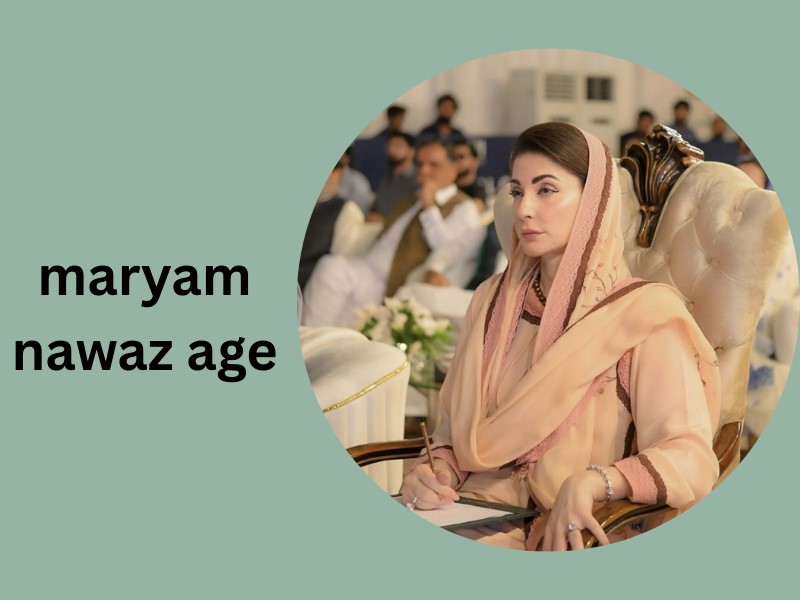
maryam nawaz age
Introduction: Maryam Nawaz Age
Maryam Nawaz is a prominent political figure in Pakistan whose age has often been a subject of interest for those following her personal and professional journey. Born on 28 October 1973 in Lahore, Pakistan, Maryam Nawaz is 52 years old as of March 2026. Her age is more than just a number; it reflects the phases of her life from childhood to adulthood, education, family responsibilities, public service, and her evolving political career. Growing up as the daughter of former Prime Minister Nawaz Sharif and Kulsoom Nawaz, she was born into a family deeply rooted in politics, where public service and leadership were everyday realities. The early exposure to political discourse and national issues shaped her worldview from a young age. As a child, Maryam experienced both the privileges and responsibilities of being part of a high-profile family. Her siblings, Hassan Nawaz and Hussain Nawaz, were also influential in her early development, and together, the family dynamics provided her with a strong foundation of resilience and adaptability.
Table of Contents
Maryam Nawaz Wiki Bio
| Field | Details |
|---|---|
| Full Name | Maryam Nawaz Sharif |
| Popular Name | Maryam Nawaz |
| Date of Birth | 28 October 1973 |
| Age | 52 Years (as of 2026) |
| Birthplace | Lahore, Punjab, Pakistan |
| Nationality | Pakistani |
| Profession | Politician |
| Political Party | Pakistan Muslim League (N) |
| Father | Nawaz Sharif |
| Mother | Kulsoom Nawaz |
| Spouse | Muhammad Safdar Awan |
| Children | 3 |
| Religion | Islam |
| Education | University of the Punjab |
| Known For | Political leadership and role in PML-N |
| Current Position | Chief Minister of Punjab |
| Residence | Lahore, Pakistan |
Early Life and Family Background
Maryam Nawaz’s early life was characterized by an environment of political awareness and social responsibility. Being born in Lahore during a politically dynamic period in Pakistan meant that her formative years were influenced by the activities and decisions of her father, Nawaz Sharif, who was already a significant political figure. This early exposure to politics shaped her understanding of leadership, governance, and public engagement. Her mother, Kulsoom Nawaz, played a crucial role in her upbringing, instilling values of compassion, discipline, and social awareness. The family’s political legacy and social standing meant that Maryam’s age often intersected with critical family and national events, adding a layer of maturity to her early experiences.
Childhood Influences
During her childhood and teenage years, Maryam Nawaz was exposed to discussions on governance, diplomacy, and social issues, which were uncommon for most children her age. These experiences helped her develop an early understanding of public life, decision-making, and leadership responsibilities. Even as a young girl, she learned to navigate complex social and political situations, an education that extended far beyond formal schooling. Her age during these formative years contributed to her ability to engage with influential figures and absorb lessons that would later shape her political and social perspectives.
Education and Academic Pursuits
Maryam Nawaz’s education reflects both the opportunities provided by her family background and her personal dedication to learning. She completed her early education in Pakistan, attending prestigious institutions that emphasized academic rigor and holistic development. Maryam attended the Convent of Jesus and Mary in Lahore, a school renowned for its focus on discipline, values, and academic excellence. Following her early schooling, she pursued higher education abroad, including studies at Government College, Lahore, and the University of London, where she obtained her bachelor’s degree. These experiences exposed her to diverse cultures, ideas, and leadership styles, shaping her understanding of global perspectives and enhancing her ability to engage with complex issues. Her age during these educational pursuits marked important milestones in her personal and intellectual growth, laying the groundwork for her future public service and political career.
Early Career and Emergence into Public Life
Maryam Nawaz began her early professional and public life in her late twenties and early thirties, initially focusing on social welfare initiatives and community development work. While not directly involved in politics at first, she engaged in activities related to education, healthcare, and women’s empowerment, demonstrating her commitment to public service. Her age at this stage allowed her to bring fresh energy and a sense of purpose to her endeavors, gradually building her public profile. By her late thirties, as political events in Pakistan shifted, Maryam became more visibly engaged in party activities, signaling her transition from social initiatives to active political involvement. This period of her life reflected a blend of youthful enthusiasm and growing maturity, essential for navigating the complexities of public leadership.
Family Challenges and Personal Life
Maryam Nawaz’s personal life has been intertwined with her public identity, and her age provides context to significant milestones, including marriage and motherhood. She married Captain Muhammad Safdar Awan, a military officer, and together they have children. Balancing family responsibilities with political engagement has been an ongoing aspect of her life, reflecting her ability to navigate multiple roles. At various stages, her age corresponded with critical personal experiences, from raising her children to coping with the loss of her mother, Kulsoom Nawaz, in 2018. Maryam was in her mid-forties at the time, an age when personal maturity and professional responsibilities converge, shaping her perspective on resilience, leadership, and public service.
Political Career and Ascendancy
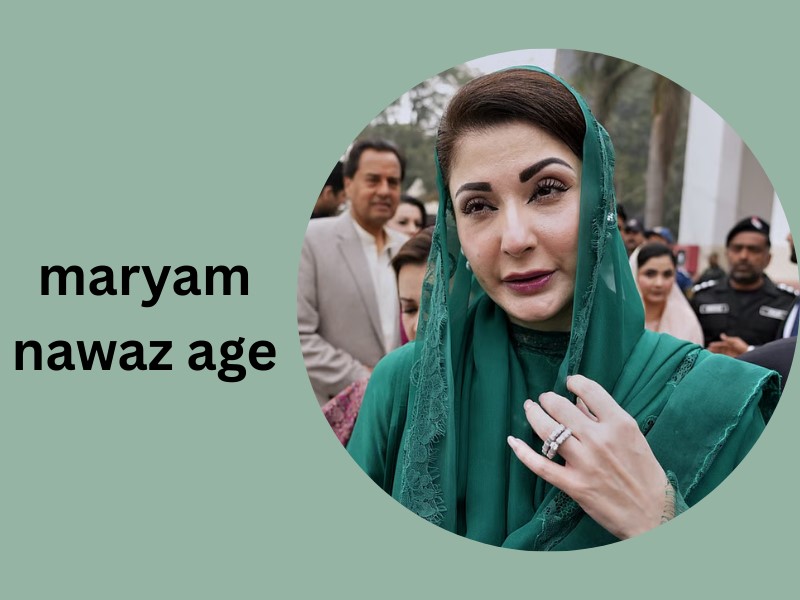
Maryam Nawaz’s direct involvement in politics began in her late thirties and intensified in her forties, coinciding with a period of significant political activity for her father’s party, Pakistan Muslim League (Nawaz) or PML-N. She gradually assumed leadership roles, demonstrating organizational skills, strategic thinking, and the ability to connect with supporters. Her age during this period allowed her to combine the wisdom gained from early life experiences with the vigor necessary for political mobilization. She eventually became the Chairperson of the PML-N’s Prime Ministerial Campaign Cell, coordinating party strategies, addressing public gatherings, and representing her party on national platforms. Her speeches and public engagements reflected an understanding of both tradition and modernity, appealing to diverse audiences across Pakistan.
Rise as a Party Leader
In her forties, Maryam Nawaz emerged as one of the most prominent faces of PML-N, with responsibilities ranging from election campaigns to public advocacy. Her age positioned her as a bridge between generations, combining the credibility of experience with the energy to mobilize younger supporters. She became known for her articulate public speaking, ability to strategize under pressure, and commitment to the party’s values. These years were crucial in shaping her identity as a political leader, where her age allowed her to take on complex roles while maintaining relatability with constituents.
Legal Challenges and Resilience
Maryam’s political journey included significant legal challenges that tested her resilience. In 2018, she was convicted in a corruption case related to the Avenfield apartments in London, which led to her disqualification from holding public office. At the age of 44, she faced intense public scrutiny and political pressure. Her ability to navigate this difficult period reflected the maturity and composure gained through her personal and professional experiences. Eventually, higher courts overturned the convictions, reinstating her political rights. This chapter demonstrated how age, experience, and perseverance can interact to overcome adversity and maintain public credibility.
Maryam Nawaz’s Age in Public Perception
Maryam Nawaz’s age has always influenced how she is perceived by the public. In her thirties, she was seen as an emerging figure with potential; in her forties, as a seasoned political actor with growing influence; and now in her early fifties, as a leader whose experience commands respect and attention. Her age allows her to connect with multiple generations of Pakistanis, representing both continuity and progressive leadership. She embodies a balance of tradition and modernity, appealing to older voters familiar with her family’s legacy and younger constituents seeking fresh perspectives.
Public Life Beyond Politics
Beyond her political career, Maryam Nawaz has been actively involved in social welfare initiatives, particularly focusing on education, healthcare, and women’s empowerment. Her age, experience, and public platform allow her to advocate effectively on issues that transcend partisan politics. She engages with youth, supports civic initiatives, and emphasizes the importance of leadership, education, and community service, demonstrating a holistic approach to public life.
Personal Philosophy and Leadership Style
Maryam Nawaz’s leadership style reflects a blend of traditional values and modern approaches. At 52, she combines experience with strategic vision, articulating ideas that resonate across social and generational divides. Her speeches often emphasize resilience, civic responsibility, and the need for inclusive progress, reflecting lessons learned from personal challenges, public scrutiny, and decades of political involvement. Her age provides her with the ability to synthesize past experiences into a forward-looking approach to leadership and public engagement.
Maryam Nawaz Today – Age, Influence, and Future Prospects
As of March 2026, Maryam Nawaz is 52 years old, an age that situates her at a point of maturity, experience, and ongoing influence in Pakistan’s political and social landscape. She continues to play a central role in her party, engages with national issues, and represents a bridge between generations. Her age reflects a combination of credibility, resilience, and strategic capability, making her a key figure in shaping political discourse, advocating for social causes, and guiding her party’s vision for the future. Looking ahead, Maryam’s age positions her for continued leadership, public service, and influence, reflecting both her past achievements and her capacity to impact the next phase of Pakistan’s political journey.
Conclusion
Maryam Nawaz’s age is an essential lens through which to understand her life, achievements, and influence. Born on 28 October 1973, she has lived through transformative decades in Pakistan, experiencing political upheaval, personal challenges, and public responsibilities. At 52, she embodies the intersection of experience, maturity, and ongoing potential. Her journey from a politically aware child to a public leader, social advocate, and influential figure demonstrates how age is not merely a number but a reflection of growth, resilience, and sustained contribution to society. Maryam Nawaz’s age situates her as a figure who combines legacy, experience, and vision, continuing to shape public life in Pakistan while inspiring new generations of leaders.
About the Author