sam bahadur age
Introduction: Sam Bahadur Age
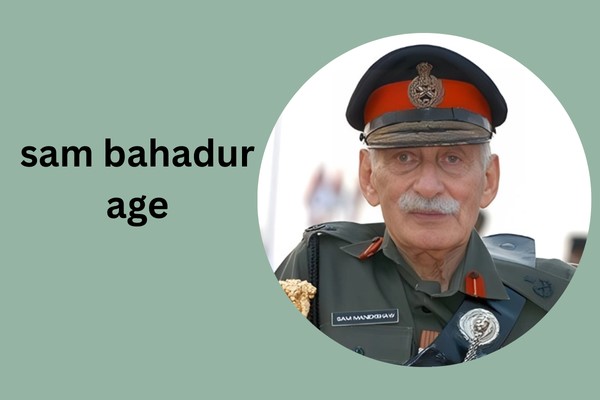
Field Marshal Sam Hormusji Framji Jamshedji Manekshaw, affectionately known as Sam Bahadur, is one of the most iconic and respected military figures in Indian history. His life story captures the essence of leadership, courage, strategic brilliance, and unwavering dedication to nation and soldier alike. When people search for “Sam Bahadur age” they are usually looking for more than a simple number — they want to understand the life, times, achievements, and legacy of a man who became a living legend of the Indian Army. Sam Bahadur’s age at the time of his death — 94 years — reflects a life lived with passion and purpose, filled with notable accomplishments, historic battles, and a profound impact on the Indian military ethos. His journey from humble beginnings to the highest echelons of military leadership remains an inspiring saga, shaping how modern India perceives courage, professionalism, and strategic command.
Table of Contents
Sam Bahadur Wiki Bio
| Personal Information | |
|---|---|
| Full Name | Sam Hormusji Framji Jamshedji Manekshaw |
| Nickname | Sam Bahadur |
| Date of Birth | 3 April 1914 |
| Place of Birth | Amritsar, Punjab, India |
| Date of Death | 27 June 2008 |
| Age at Death | 94 years |
| Nationality | Indian |
| Religion | Zoroastrian (Parsi) |
| Parents | Hormizd Manekshaw (father), Hilla Manekshaw (mother) |
| Spouse | Silloo Bode (m. 1939) |
| Children | Two daughters |
| Military Career | |
|---|---|
| Allegiance | India |
| Service/Branch | Indian Army |
| Years of Service | 1934–1973 |
| Rank | Field Marshal |
| Unit | 12th Frontier Force Rifles (British Indian Army), 8th Gurkha Rifles (Indian Army) |
| Key Battles/Wars | World War II (Burma campaign), 1947 Indo-Pakistani War, 1971 Indo-Pakistani War |
| Awards & Honors | Military Cross, Padma Bhushan (1968), Padma Vibhushan (1972) |
| Education | |
|---|---|
| School | Sherwood College, Nainital |
| College | Hindu Sabha College, Amritsar |
| Military Training | Indian Military Academy, Dehradun |
| Legacy | |
|---|---|
| Known For | Leadership during 1971 Indo-Pak War, humane treatment of soldiers, strategic brilliance |
| Other Notes | First Indian Army officer to be promoted to Field Marshal; widely revered as Sam Bahadur (“Sam the Brave”) |
Early Life and Family Background
Sam Manekshaw was born on April 3, 1914 in Amritsar, Punjab, into a Parsi family with deep roots in service and education. His father, Hormizd Manekshaw, was a doctor who had moved from Gujarat in western India and had settled in Amritsar to establish a clinic and pharmacy. His mother, Hilla, raised the family and helped nurture the values of learning and discipline that would shape young Sam’s early years. Sam was the fifth of six children, and the family included engineers, teachers, doctors, and other professionals, which gave him exposure to a variety of ambitions and outlooks from an early age.
From his school days, Sam stood out for his intellect, athleticism, and natural leadership qualities. He first attended Sherwood College in Nainital, a prestigious school known for producing capable and confident students. Later, he studied at Hindu Sabha College in Amritsar, where his academic excellence became evident. Although he had originally aspired to become a doctor like his father, circumstances and the path that fate had laid out for him steered him instead toward a military career — a field where he would soon prove his exceptional mettle.
Entry into the Military: From Cadet to Officer
In 1932, when the Indian Military Academy (IMA) in Dehradun was established, Sam Manekshaw was selected as one of the initial batch of cadets. This was a significant honor, as the IMA was specifically created to train Indian officers for the British Indian Army. Manekshaw’s selection for this first group demonstrated his promise as a young leader with potential for greatness. During his training at the academy, he excelled in physical training, academics, and tactical studies, building a foundation for the disciplined approach to leadership that would later define his military career.
Upon graduation, Sam was commissioned as a second lieutenant in the 12th Frontier Force Rifles Regiment on February 4, 1934. This began his active service career in the British Indian Army, where he would soon face the brutal realities of wartime command and battle. Little did anyone know that his early years as a young officer would prepare him for some of the most testing and historic challenges of the 20th century.
The Formative Years: World War II and Early Combat
When World War II broke out, Sam Manekshaw was thrust into one of the most challenging theaters of the conflict — the Burma campaign, where Allied forces fought against the Japanese army. The campaign was intense, grueling, and involved some of the most difficult jungle and mountain warfare of the war. In February 1942, during the Battle of Sittang Bridge, Manekshaw’s leadership came to the forefront. He led his troops from the front, inspiring courage and resilience under harrowing conditions. It was in this battle that he sustained serious injuries to his midsection and lungs, yet he continued to fight until he collapsed from exhaustion. For his bravery and leadership in the face of extraordinary danger, he was awarded the Military Cross, one of the highest honors for gallantry in the British armed forces.
Despite being wounded, Manekshaw refused to retreat from combat permanently. His resilience and sense of duty drove him back into the battlefield after his recovery. These wartime experiences not only forged his tactical capabilities but also deepened his understanding of soldierly loyalty, battlefield psychology, and human endurance — traits that would become invaluable in his later command roles.
Post-Independence Career and Rising Through the Ranks
After India gained independence in 1947, Sam Manekshaw transitioned into the newly formed Indian Army. His original regiment, the 12th Frontier Force Rifles, was allotted to Pakistan, so he was transferred to the 8th Gurkha Rifles Regiment, renowned for its bravery, discipline, and fierce loyalty. It was during his service with the Gurkhas that he earned the lasting nickname “Sam Bahadur”, as the troops recognized not only his military competence but also his empathetic leadership style and personal rapport with his soldiers.
In the years following independence, Sam Bahadur proved his strategic acumen and leadership across multiple conflicts. He played a part in the 1947 India-Pakistan War over Kashmir, demonstrating operational insight and battlefield coordination. Over the subsequent decades, he climbed the ranks of the Indian Army, taking on greater responsibilities, refining his strategic thinking, and earning recognition as a formidable military mind. His ability to balance tactical pragmatism with humane leadership made him respected both by his men and by his military peers.
Leadership Challenges: Standing Up to Authority
Sam Manekshaw’s career was not without controversy or confrontation. He was known for his strong personality and his refusal to be a passive subordinate in matters of strategy or military integrity. On several occasions, he clashed with political authorities and senior policymakers when he felt that military professionalism or national interests were being compromised. These incidents further solidified his reputation as an officer who put mission and soldier welfare above political convenience. His colleagues often admired his forthrightness, and many junior officers saw him as a mentor who embodied courage both on and off the battlefield.
Appointment as Chief of Army Staff
One of the most significant milestones in Sam Bahadur’s career came on June 8, 1969, when he was appointed Chief of the Army Staff (COAS) of the Indian Army. This position placed him at the highest level of military leadership in the country, making him responsible for strategic planning, operational readiness, and the overall coordination of the army. His appointment came at a critical time, as tensions with neighboring Pakistan were rising sharply.
As COAS, Sam Bahadur faced immense pressure, both politically and militarily. His leadership would soon be tested in a conflict that would leave a permanent mark on South Asian history.
The 1971 India‑Pakistan War and Sam Bahadur’s Strategic Brilliance
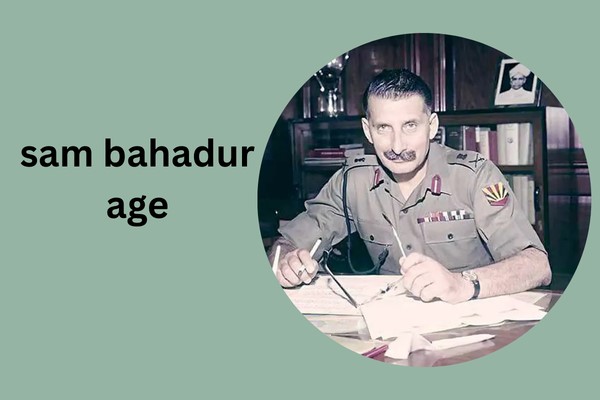
The India‑Pakistan War of 1971 is considered one of Sam Manekshaw’s defining moments. The conflict arose against the backdrop of widespread political unrest in East Pakistan (now Bangladesh), where a brutal military crackdown had sparked an unprecedented humanitarian and strategic crisis. Sam Bahadur played a pivotal role in guiding India’s military response with foresight, patience, and strategic planning.
Despite political pressure to act quickly, Sam Bahadur insisted that Indian forces wait until after the monsoon season to begin full-scale operations, understanding that weather conditions would severely affect combat effectiveness and logistical support. His strategic patience allowed the Indian Army to launch a coordinated and decisive campaign once the conditions were favorable.
Once operations commenced, Indian forces moved rapidly on both eastern and western fronts. The campaign lasted a brief 13 days, culminating in a decisive victory that led to the surrender of Pakistani forces in the eastern theater and paved the way for the creation of the independent nation of Bangladesh. Sam Manekshaw’s leadership, coordination, and strategic timing were widely credited as crucial factors in this unparalleled military success.
During this period, Sam Bahadur also demonstrated remarkable compassion. He ensured the humane treatment of over 90,000 Pakistani prisoners of war after the surrender, rejecting punitive retaliation and emphasizing dignity even in victory. This approach further enhanced his reputation as a soldier-leader who balanced strength with humanity.
Elevation to Field Marshal: The Pinnacle of a Military Career
Following the resounding success of the 1971 war, Sam Manekshaw was promoted to the rank of Field Marshal on January 1, 1973, becoming the first Indian Army officer to achieve this highest possible rank in the Indian Army. The rank of Field Marshal is a lifetime honor, recognizing unmatched service, strategic accomplishment, and distinguished leadership. It is bestowed sparingly and represents the pinnacle of military achievement.
Sam Bahadur retired from active military service on January 15, 1973, but his association with the armed forces continued throughout his life. The respect he commanded within the military and across the nation was unparalleled, and his opinions on strategy, leadership, and national defense were sought after long after his formal retirement.
Personal Life and Relationships
Beyond his military achievements, Sam Bahadur had a rich personal life. He married Silloo Bode in 1939, and the couple had two daughters. Despite the intense demands of military life, he maintained a strong focus on family, cherishing moments with his loved ones and remaining deeply rooted in personal values of loyalty and affection. His sense of humor, approachability, and humility made him beloved not just by his troops, but also by family and friends alike.
His personality combined firmness with compassion — traits that helped him navigate both the rigors of command and the softer moments of personal connection. Colleagues often recalled his sharp wit, candid observations, and ability to inspire confidence and calm even in high-pressure situations.
Later Years and Passing at Age 94
After retirement, Sam Bahadur chose to live with grace and quiet dignity in Wellington, Tamil Nadu. He remained engaged with military circles, attended commemorative events, and continued to share his insights with younger generations of officers. His later years were marked by both honor and reflection, as he witnessed the impact of his life’s work on India’s defense and national identity.
Sam Manekshaw passed away on June 27, 2008, at the age of 94, after a long and fulfilling life. His death was widely mourned across the country, and tributes poured in from military leaders, government officials, and citizens who saw in him the embodiment of courage, honor, and leadership. His age at passing reflects decades of service that helped define India’s military maturity and strategic confidence in the post‑independence era.
Legacy: Lessons from Sam Bahadur’s Life and Leadership
Sam Bahadur’s legacy extends far beyond battles and rank. He is remembered for his strategic vision, leadership integrity, humanity in command, and inspirational influence. His decisions during the 1971 war showcased unparalleled military planning. He stood firm against political pressure when national interests were at stake. His treatment of prisoners and concern for troop welfare marked him as a leader who valued dignity. His life continues to be studied in military academies and leadership programs worldwide. Every anniversary of his birth and passing is marked with respect by the Indian Army and citizens alike, celebrating a life that stood for resilience, honor, and the triumph of duty over fear. Organizations and public institutions have honored his name with memorial centers, statues, and ground namings — institutional reminders of a legacy that will endure for generations.
Conclusion
Sam Bahadur’s age — 94 — was not just a number but a testament to a life lived at the intersection of courage, strategy, and humanity. From his early days as a cadet in the Indian Military Academy to his role as Field Marshal of the Indian Army, his journey was one of distinction, resilience, and inspiration. His strategic brilliance during the 1971 war, his refusal to compromise on professional integrity, and his compassion toward both soldiers and foes alike are lessons that transcend time. Sam Manekshaw’s legacy remains etched in the annals of Indian history as the story of a brave soldier, a visionary leader, and a humble human being whose life continues to inspire countless Indians to serve with honor and courage.
About the Author