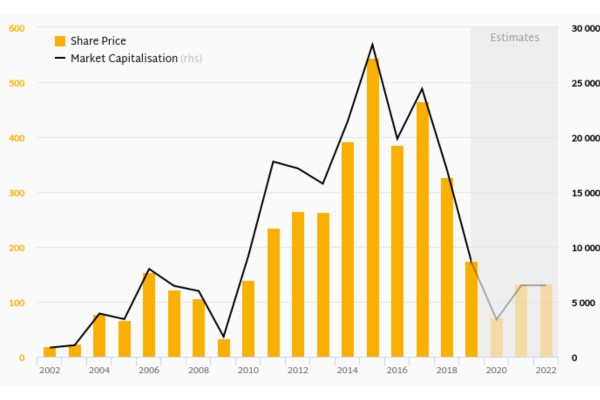
tata motors share price
Introduction: Tata Motors Share Price
Tata Motors is one of India’s most influential and widely tracked automobile companies, and its stock performance attracts strong attention from retail investors, institutional players, and market analysts alike. The Tata Motors share price reflects not only the company’s financial health but also broader trends in the Indian and global automobile industry, electric vehicle adoption, infrastructure growth, and macroeconomic conditions.
Over the years, Tata Motors has transitioned from being a traditional automobile manufacturer to a diversified global automotive giant with exposure to passenger vehicles, commercial vehicles, electric mobility, and luxury brands such as Jaguar Land Rover. This transformation has made Tata Motors share price movements complex, dynamic, and opportunity-driven.
What Is Tata Motors Share Price and Why It Matters
The Tata Motors share price represents the market value of one equity share of Tata Motors Limited traded on Indian stock exchanges such as NSE and BSE. It is influenced by multiple factors including earnings performance, future growth expectations, global automotive trends, and investor sentiment.
Importance of Share Price for Investors
- Reflects company valuation in real time
- Indicates market confidence in management and strategy
- Helps investors decide entry and exit points
- Plays a crucial role in portfolio allocation
For long-term investors, Tata Motors share price movements are often studied alongside fundamentals, while short-term traders focus on volatility, technical patterns, and news-based triggers.
Overview of Tata Motors as a Company
Company Background
Tata Motors Limited is a flagship company of the Tata Group, one of India’s oldest and most respected business conglomerates. The company operates across multiple segments:
- Passenger vehicles
- Commercial vehicles
- Electric vehicles
- Luxury vehicles (through Jaguar Land Rover)
This diversified business model significantly impacts the Tata Motors share price, as performance across segments can vary year to year.
Global Presence
Tata Motors operates in multiple countries and exports vehicles to several international markets. Its global exposure makes the share price sensitive to international economic conditions, currency fluctuations, and overseas demand.
Historical Performance of Tata Motors Share Price
Understanding the historical journey of Tata Motors share price helps investors identify patterns and long-term trends.
Early Years and Growth Phase
In its early listed years, Tata Motors share price grew steadily alongside India’s expanding automobile market. Strong demand for commercial vehicles and affordable passenger cars supported long-term growth.
Impact of Jaguar Land Rover Acquisition
The acquisition of Jaguar Land Rover was a turning point. Initially, the share price faced pressure due to high acquisition costs and global uncertainty. However, as JLR became profitable, Tata Motors share price benefited significantly.
COVID-19 Impact and Recovery
During the pandemic, Tata Motors share price declined sharply due to supply chain disruptions and weak demand. However, the recovery phase saw strong upside as demand rebounded and operational efficiency improved.
Recent Volatility and Restructuring Phase
In recent years, Tata Motors share price has experienced volatility due to:
- Global economic uncertainty
- Rising interest rates
- Commodity price fluctuations
- Corporate restructuring and demerger plans
Despite short-term fluctuations, long-term investors continue to monitor the stock closely.
Key Factors Affecting Tata Motors Share Price
1. Financial Performance
Quarterly and annual results have a direct impact on Tata Motors share price.
Revenue Growth
Strong revenue growth signals increasing demand and market share, often leading to positive share price movement.
Profitability
Margins, net profit, and cost control play a major role. Even small changes in profitability can cause significant price reactions.
2. Jaguar Land Rover Performance
Jaguar Land Rover contributes a large portion of Tata Motors’ consolidated revenue.
- Strong luxury car demand supports share price
- Weak global demand or high costs can drag valuation
JLR performance is especially important for investors analyzing Tata Motors share price trends.
3. Electric Vehicle Strategy
Tata Motors is a leader in India’s electric vehicle space.
EV Product Portfolio
- Electric SUVs and hatchbacks
- Growing market share in EV segment
Impact on Share Price
- Positive long-term growth expectations
- Short-term margin pressure due to high investment
EV strategy is one of the strongest long-term drivers for Tata Motors share price.
4. Commercial Vehicle Demand
Commercial vehicles are closely linked to:
- Infrastructure development
- Economic growth
- Logistics and transportation demand
A strong infrastructure cycle often boosts Tata Motors share price through improved CV sales.
5. Macroeconomic Conditions
Tata Motors share price reacts to:
- Interest rate changes
- Inflation trends
- Fuel prices
- Government policies
Favorable economic conditions generally support higher valuations.
Corporate Actions and Their Impact on Share Price
Demerger and Restructuring
Tata Motors announced restructuring plans to unlock value by separating business segments. Such corporate actions can:
- Improve transparency
- Enable better valuation discovery
- Cause short-term price volatility
Investors often reassess Tata Motors share price after such structural changes.
Tata Motors Share Price Valuation Analysis
Price-to-Earnings Ratio
The P/E ratio indicates how much investors are willing to pay for earnings. Tata Motors’ P/E reflects growth expectations rather than just current profits.
Price-to-Book Ratio
P/B ratio helps evaluate whether the stock is undervalued or overvalued relative to assets.
Earnings Per Share
EPS growth plays a key role in determining future Tata Motors share price potential.
Comparison with Peer Companies
Tata Motors vs Other Auto Stocks
Compared to peers, Tata Motors stands out due to:
- EV leadership
- Global luxury exposure
- Strong commercial vehicle presence
However, higher risk and capital intensity can affect valuation multiples.
Technical Analysis of Tata Motors Share Price
Support and Resistance Levels
Traders closely track price zones where buying or selling pressure increases.
Moving Averages
Long-term moving averages indicate trend direction, while short-term averages help identify entry points.
Volume Analysis
High trading volume often confirms strong price movement.
Risks Associated with Tata Motors Share Price
1. Cyclical Industry Risk
Auto demand is cyclical and can weaken during economic slowdowns.
2. High Capital Expenditure
Heavy investments in EVs and technology can impact cash flows.
3. Global Market Exposure
International operations expose the company to geopolitical and currency risks.
4. Competition
Intense competition in both domestic and global markets can affect margins.
Opportunities for Long-Term Growth
Electric Vehicle Expansion
Rising EV adoption in India is a major growth opportunity.
Infrastructure Growth
Increased government spending supports commercial vehicle demand.
Brand Strength
Tata Group’s strong brand image enhances customer trust and investor confidence.
Investor Sentiment Around Tata Motors Share Price
Retail Investor View
Retail investors often view Tata Motors as a long-term growth story with volatility.
Institutional Interest
Institutional investors closely monitor financial discipline, global performance, and restructuring outcomes.
Long-Term Outlook for Tata Motors Share Price
The long-term outlook depends on:
- EV profitability
- Global luxury demand
- Cost control
- Economic recovery
If execution remains strong, Tata Motors share price has the potential to deliver sustainable long-term returns despite short-term fluctuations.
Is Tata Motors Share Price Good for Investment?
For Long-Term Investors
Suitable for investors who:
- Can handle volatility
- Believe in EV growth
- Prefer fundamentally strong companies
For Short-Term Traders
Volatility offers trading opportunities but requires strict risk management.
Conclusion
The Tata Motors share price reflects a complex blend of domestic strength, global exposure, innovation, and cyclical risk. While short-term movements can be unpredictable, the company’s strategic focus on electric vehicles, restructuring, and operational efficiency positions it as a compelling long-term story.
Investors should evaluate Tata Motors share price by combining:
- Fundamental analysis
- Technical indicators
- Industry trends
- Risk assessment
With disciplined execution and favorable market conditions, Tata Motors remains one of the most closely watched automobile stocks in India.
About the Author